
Why Safety Playgrounds Are Essential for Kids’ Growth
Created on 02.26
Why Safety Playgrounds Are Essential for Kids’ Growth
Playgrounds serve as vital spaces for children to explore, learn, and develop
essential skills. However, the importance of safety playgrounds transcends mere fun
— it is central to fostering healthy physical, emotional, and social development
while minimizing injury risks. Safety playgrounds designed with careful
consideration and adherence to standards like ASTM F1487 and usage of playground
surfacing that cushions falls create an environment where children can engage in
adventurous play without compromising their well-being. This article explores the
comprehensive benefits and design principles behind safety playgrounds, highlighting
their role in child growth and the involvement of communities in their advancement.
Yangzhou Jiuxin Sports Technology Co., Ltd., a company known for its commitment to
innovative and safe playground solutions, exemplifies the dedication needed to
promote safe play spaces globally.
Definition of Safety Playgrounds: Features and Design Principles
Safety playgrounds are specially designed play areas that emphasize child safety
through engineering, materials, and layout. Key features include impact-absorbing
playground surfacing, equipment that complies with ASTM F1487 standards, and
structures certified by organizations such as IPEMA. These elements ensure that
playground equipment withstands rigorous safety testing and reduces the risk of
falls and injuries. Additionally, safety playground design follows principles like
proper spacing of equipment, age-appropriate zones, and avoidance of entrapment
hazards. Integrating these features into playgrounds helps create an environment
that encourages exploration while maintaining strict safety measures.
Yangzhou Jiuxin Sports Technology Co., Ltd. has been instrumental in developing
playground equipment that meets these criteria, combining durability with innovative
design. The use of certified safety materials and compliance with international
standards guarantees that children experience playtime in secure surroundings.
Moreover, thoughtful playground surfacing, such as rubber mats or engineered wood
fibers, absorbs shocks and protects children, further enhancing safety.
Benefits of Safety Playgrounds for Physical, Emotional, and Social Development
Safety playgrounds contribute significantly to children's holistic development.
Physically, they encourage active movement, coordination, and strength building
through climbing, running, and balancing activities conducted on safe surfaces and
equipment. Emotionally, children gain confidence as they navigate challenges in a
secure setting, reducing fear of injury and promoting resilience. Socially,
playgrounds foster interaction, teamwork, and communication as children engage in
group play, developing critical interpersonal skills.
Furthermore, the presence of safety measures allows caregivers to feel assured,
promoting more frequent visits to playgrounds and extended playtime, which directly
benefits the child's growth. The availability of age-appropriate equipment further
supports developmental milestones by catering to different skill levels and
abilities. Safety playgrounds thus serve as nurturing grounds for comprehensive
child development, blending fun with risk management seamlessly.
Risk Management: Balancing Adventure with Safety
While safety is paramount, playgrounds must also offer adventure and challenge to
stimulate children’s creativity and problem-solving abilities. Effective risk
management balances these needs by implementing safety measures that do not overly
restrict play. For instance, playground surfacing materials absorb impact but do not
hinder mobility, and equipment is designed to minimize sharp edges or entrapment
points while allowing climbing and swinging activities.
ASTM F1487 guidelines provide standardized methods to evaluate equipment safety,
enabling manufacturers and designers to create play areas that maintain this
balance. Certifications like IPEMA reinforce compliance and instill confidence among
communities and parents. By embracing a risk-benefit approach, safety playgrounds
encourage children to take calculated risks, learn from experiences, and build
healthy risk assessment skills crucial for lifelong safety and decision-making.
Global Perspectives: Safety Playgrounds Around the World
Across the globe, safety playground standards vary, but the movement toward safer
play environments is universal. Countries in Europe, North America, and Asia
increasingly adopt robust safety guidelines, incorporating modern materials and
innovative designs. For example, Japan emphasizes inclusive playgrounds with safe,
accessible equipment for children with disabilities, while Scandinavian countries
focus on natural elements integrated with safety features.
Yangzhou Jiuxin Sports Technology Co., Ltd. actively participates in this global
trend by supplying playground products that meet international safety certifications
and reflect cultural and environmental considerations. Their commitment ensures
playgrounds worldwide facilitate safe and joyful play, adhering to local regulations
and global best practices.
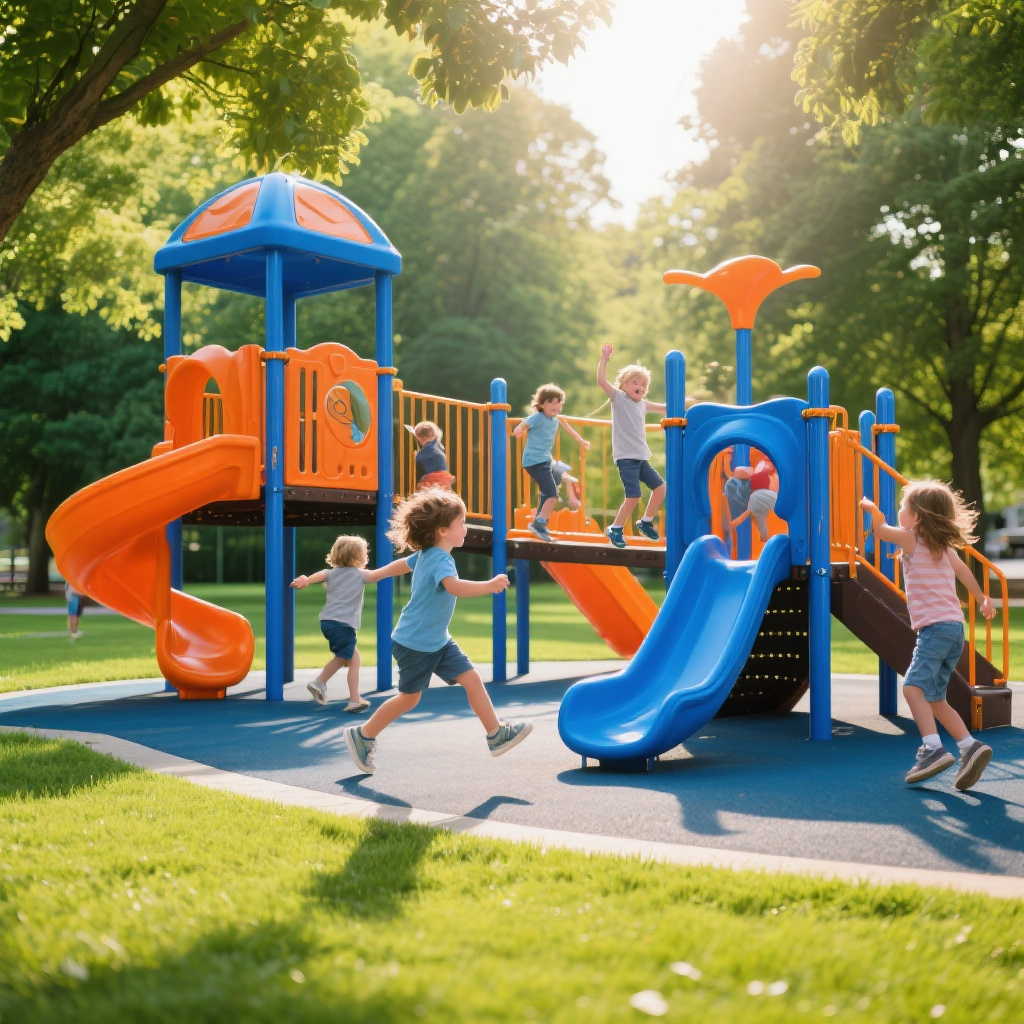
Community Involvement: The Role of Parents and Local Organizations
Community engagement is vital in promoting and maintaining safe playgrounds.
Parents, schools, and local organizations can advocate for safe playground design,
regular maintenance, and adherence to safety standards. Educating caregivers on
playground safety and encouraging supervision during playtime further enhances child
protection. Community-driven initiatives often fundraise and collaborate with
companies like Yangzhou Jiuxin Sports Technology Co., Ltd. to install or upgrade
playgrounds with certified equipment and quality surfacing.
These partnerships build awareness and foster a culture of safety combined with
active play, ensuring that playgrounds remain welcoming, inclusive, and
well-maintained environments for children to grow and thrive.
The Future of Safety Playgrounds: Trends and Innovations
The future of safety playgrounds lies in integrating technology and sustainable
materials while enhancing inclusivity. Innovations such as sensor-equipped equipment
that monitors usage and wear, eco-friendly playground surfacing made from recycled
materials, and modular designs that adapt to different age groups are gaining
prominence. Companies like Yangzhou Jiuxin Sports Technology Co., Ltd. lead by
investing in research and development to bring these advancements to market.
Additionally, virtual reality and augmented reality are being explored to create
immersive play experiences that combine physical activity with digital engagement,
all within safe boundaries. These trends promise to make playgrounds safer, more
engaging, and environmentally responsible, ensuring that children’s growth through
play remains a priority worldwide.
Conclusion: The Necessity of Safety Playgrounds
Safety playgrounds are indispensable for nurturing the physical, emotional, and
social development of children. Through thoughtful design, adherence to standards
such as ASTM F1487, usage of impact-absorbing playground surfacing, and certified
equipment like those endorsed by IPEMA, these playgrounds provide secure yet
stimulating environments. Global efforts and community involvement continue to push
the evolution of safer play spaces that promote healthy development and fun.
Organizations such as Yangzhou Jiuxin Sports Technology Co., Ltd. exemplify the
dedication required to uphold these principles and innovate for the future.
Call to Action: Encouraging Community Support and Engagement
We encourage communities, parents, and local bodies to actively support the
development and maintenance of safety playgrounds. By partnering with reputable
manufacturers and suppliers, advocating for safety standards, and engaging in
educational initiatives, we can ensure that every child has access to a safe, joyful
playground environment. Learn more about innovative playground solutions by visiting
the Products
page of TOPDMS for safe, high-quality equipment options.
Contact
Contact
Leave your information and we will contact you.
